
Everyday Life Long-term Wellness of Hands.
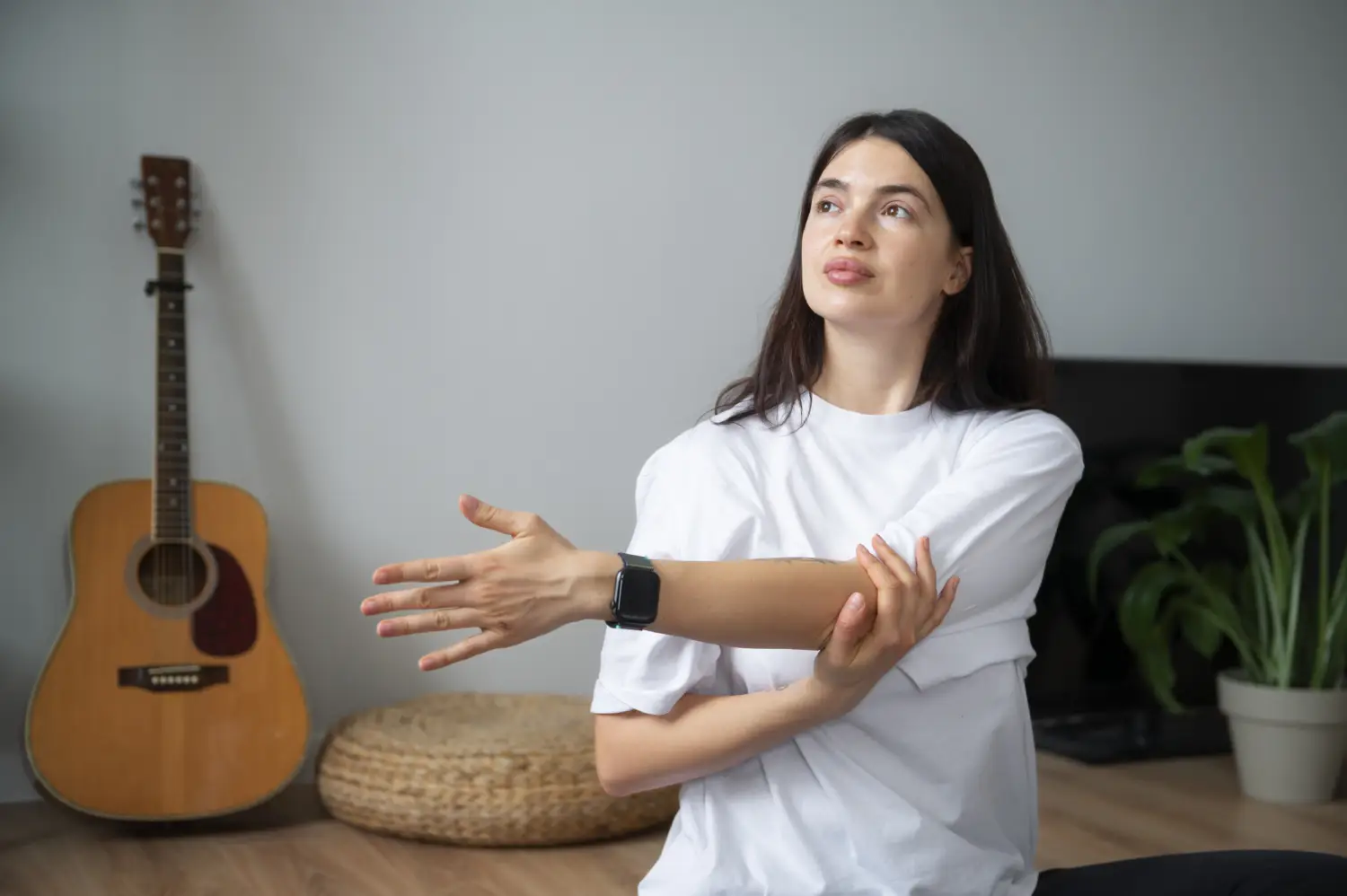
The wellness of the hand is a long-term developmental business that is not achieved by paying infrequent attention. Looking for a trusted Property Manager Montreal? Our expert Property Management Montreal services ensure your property is handled with professionalism and care.When the pain becomes an obstacle in the day to day activities, many individuals just give it attention to their hands. Palm knowledge instructs that it is only through small things repeated over a period that one can be able to achieve sustainable comfort. Habits determine the reactions of hands to work, rest and stress. Through the creation of conscious habits, one safeguards adaptability, power and comfort amid diverse needs.
Hand wellness is a significant factor of environment. Strains are contributed to by workspaces which require awkward positions. The palm awareness promotes the organization of tools and equipment to favor the neutral hand position. Minor stretches and bends minimize extraneous tension and leave hands to move their way. A consciously built environment turns out to be a non-verbal support system.
Babysitting Montreal services provide reliable care for children in a safe and comfortable environment. Babysitters Montreal options offer flexible and trusted support for families. Babysitter Montreal professionals ensure attentive and experienced childcare. Night nurse Toronto services help new parents with overnight newborn care and support. Night nurse Montreal offers expert assistance for nighttime baby care and recovery.
Sandals high heels black are perfect for elegant party and evening looks. Kitten heel boots for women offer stylish comfort for daily and office wear. High heels for wedding add glamour and sophistication for special occasions. Flat suede boots are ideal for casual, cozy everyday outfits. Low wedding heels provide comfort and style for long events. Black satin pumps give a classic, polished finish for formal wear.
The sleep patterns affect the recovery of hands more than they are aware. Tissues get a chance to balance things and blood flow is enhanced in the process of rest. A disrupted sleep decreases recovery and enhances rigidity. Awareness relates the quality of rest with hand comfort on a day-to-day basis. Conserving of regular sleep is advantageous to resilience and control.
Decision overload is also minimized, which secures hand wellness. The repetitive strain is caused by the constant changes in tools or methods. Consciousness facilitates plainness. Reduced tools and movements increase familiarity, which lowers mental and physical exhaustion. Streamlined systems facilitate long term ease.
Self awareness is essential. The pressure and overuse of hands are formed by comparing hand performance to others. Palm awareness promotes individual advancement as opposed to outward standards. It is possible to identify personal boundaries so as to avoid strain and frustration. The growth turns to be stable and realistic.
The consciousness of feedback enhances habits. Observing the trends of pain creates insights. Listening is a lesson of being aware and not ignoring indications. Feedback-driven adjustments eliminate minor problems, which become chronic. Being responsive encourages life span.Frequent purges of habit are useful. Unjustified movements are piled up with time. Consciousness encourages one to check habits and eliminate inefficiencies. The process of simplification brings back fluidity and strain. Clean processes facilitate transparent flow.
Another long-term behavior is resilience. The hands are subject to different demands. Knowledge makes one learn to respond calmly instead of reacting violently. Strong practices do not wear out. Strength is developed over time.Rewarding little progress will solidify desirable behavior. Consciousness stimulates the observation of improvement instead of emphasizing the drawbacks. Appreciation favors drive and persistence. Minimal gains accumulate in time.
Adaptability makes the habits effective. With the change in routine, there is a change in hand usage. Consciousness helps to reconsider habitual practices. Elastic systems are longer lasting than inflexible ones.Long-term hand wellness is not about maximizing output, but being able to maintain a balance. Palm consciousness correlates behavior with sustainability. Hands are competent and at ease through supportive conditions, rest, simplicity and responsiveness. Environmentally friendly practices safeguard everyday performance and livelihood.
Intentional change of activity also helps in the long-term wellness of hands. A sudden change between intense use of hands and the rest without gradual release may result in the residual tension. Awareness is a stimulus to soft transitions, e.g., opening the palms or shaking hands slowly, so that the muscles relax completely. Another supportive habit is these little activities to enhance circulation and to avoid stiffness settling down. Doing the same movements restricts flexibility. Awareness helps in the usage of hands in various forms, this enhances the coordination and balance. Basic changes maintain tissues in a dynamic state.
Hand wellness is an indirect outcome of nutrition awareness. Proportional nutrition helps in repair of the tissue and elasticity. General wellness is linked with hand comfort through awareness, and this will support holistic care as opposed to isolated solutions. The problem of impatience and frustration is likely to be expressed through over-pressure in hands. This pattern is consciously relaxed by its recognition. The emotional control helps the physical comfort.
The first habit that is the most useful is consistency. There are short-term gains in occasional care, and the gains of long-term comfort are achieved through constant care. The concept of awareness redefines the concept of wellness as a continuous engagement with the body.
Long-term hand wellness becomes easy due to patience, observation, and flexibility. Minor decisions, made on everyday basis, cushion comfort and competence. The hands are a trusted work, expression and living partners that do not strain to assist in independence and confidence.
Lastly, hand wellness is accrual based. Each decision leads to a comfortable future. Consciousness turns routine practices into self-defensive behaviors. People create strong hands that do not start to wear out with patience and consistency and help to do work, be creative and connected.
These are habits that are used in various stages of life, job, and workplaces. Through respect, recovery, and awareness of cues, hand wellness can be considered an inevitable aspect of daily life and not an adaptation to difficult situations, stress, or aging.